Halide Mark II: now for iOS 18, with Process Zero
Updated for the latest and greatest devices and built for the newest version of iOS.
lux.camera
Now with Process Zero - for zero-AI, minimally processed shots.
Featuring the best photography tools on iOS, built-in lessons, Lock Screen access, and many more features for getting the best shot.

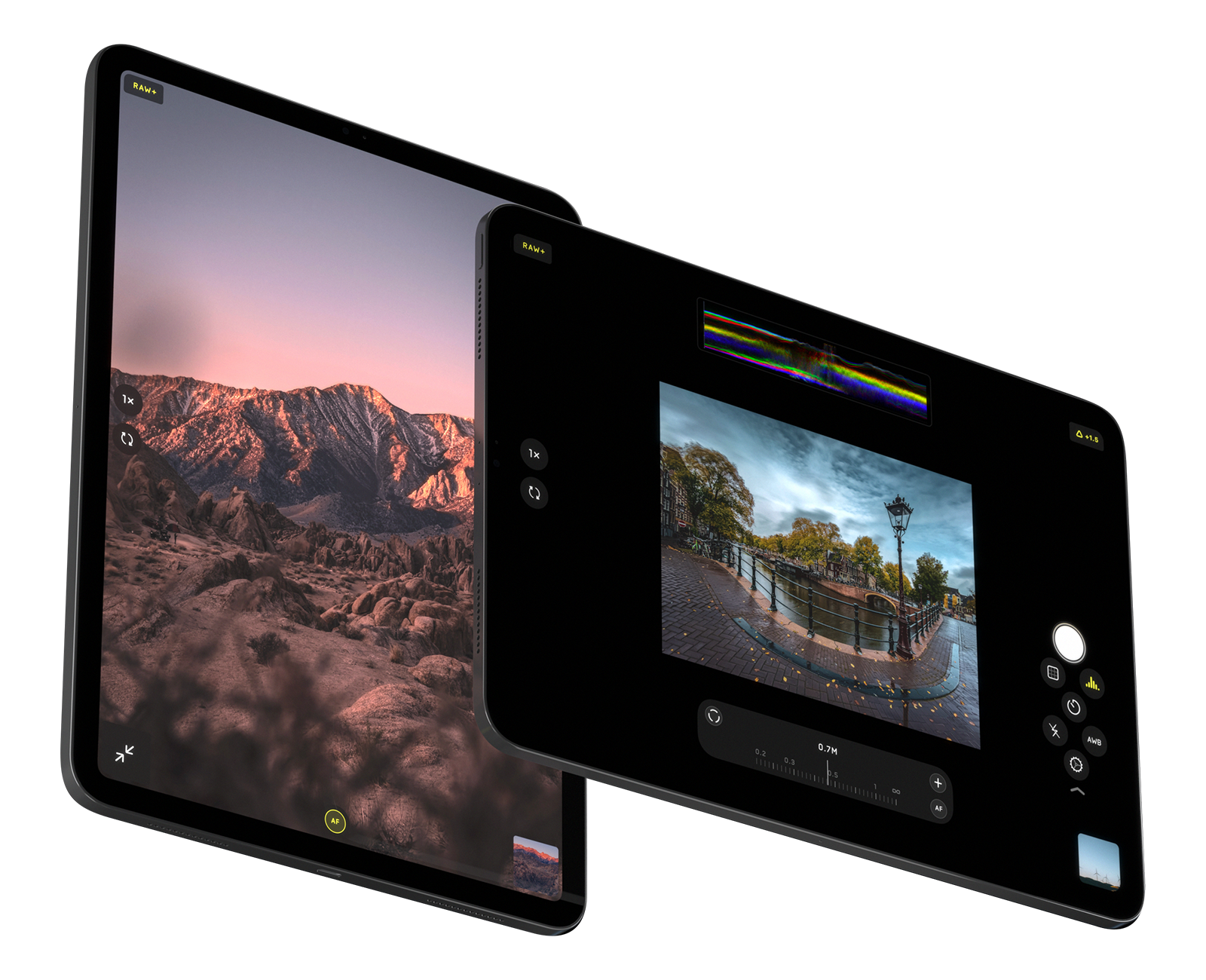
Meet Halide for iPad. Packed with all the powerful features of Halide for iPhone and a few special ones for better photography on big screens.
Enjoy the brand-new, completely custom iPad interface and features like Pro View to get a scaled-down, unobstructed view of your shot with plenty of space for your Pro tools and readouts.

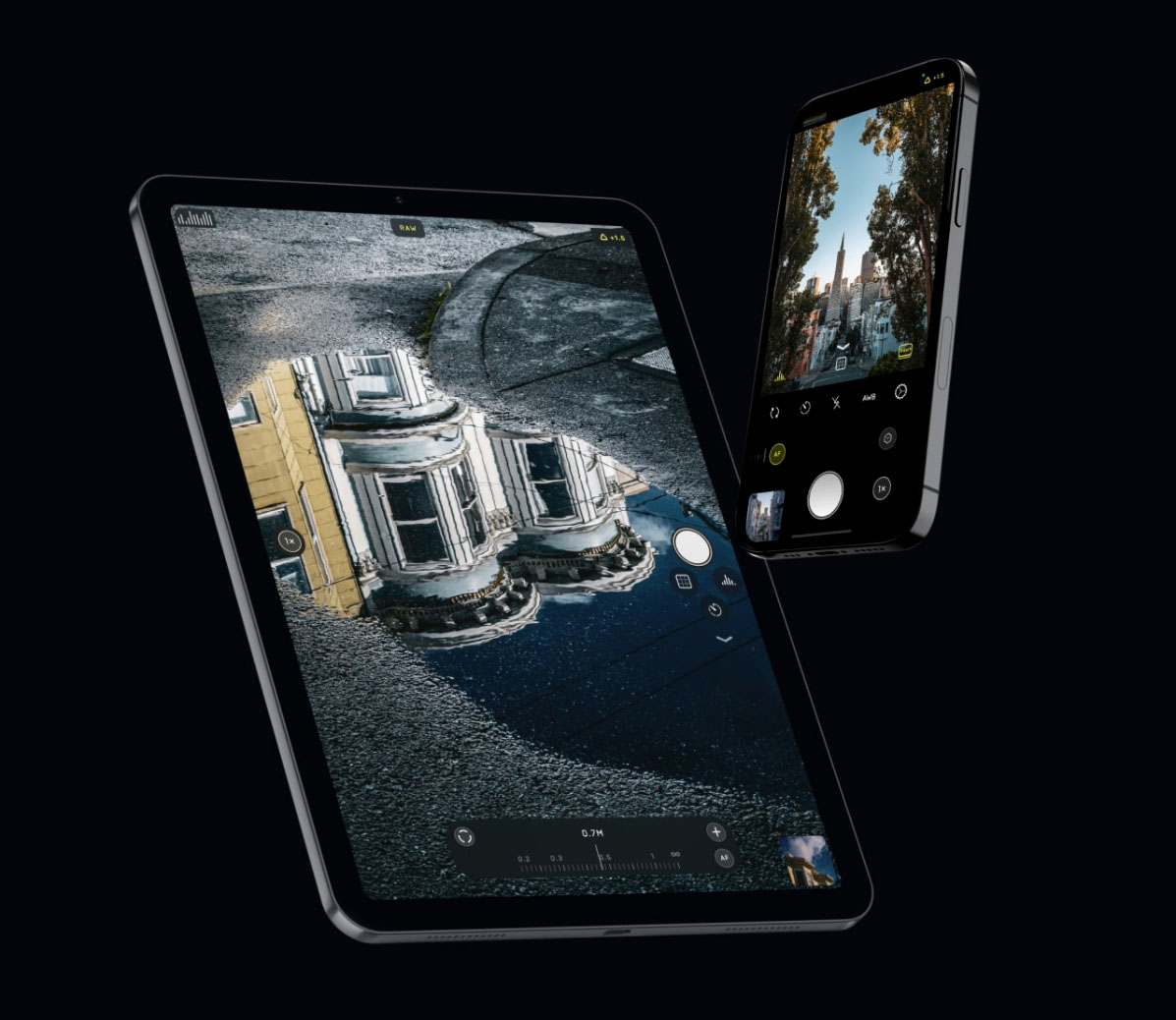
Always up to date — now with iOS 18 Lock Screen Capture. Halide packs intuitive gestures, gorgeous details, and effortless ease of use.
Designed to be used with one hand on all phones without compromising on power.
New in Mark II: Edge gestures for mode switching. Tactile Touch enables and disables focus and exposure aids as you need them. Designed with three new, custom typefaces.
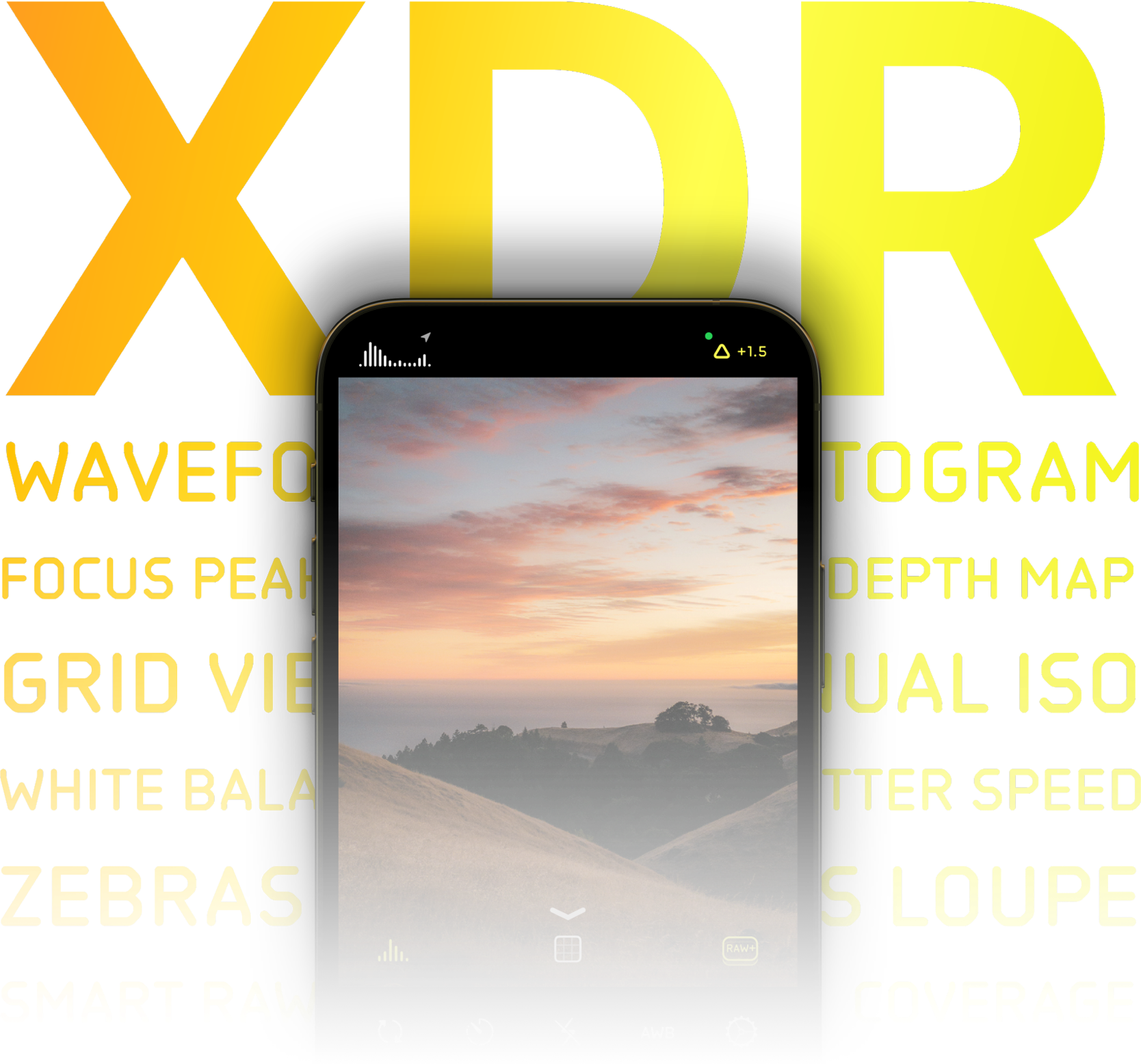
Halide Mark II packs the best pro camera tools on the App Store.
Check for accurate exposures with the new extended dynamic range (XDR) 14-bit color zebras and waveforms.
Use your ideal histogram with large and small displays featuring monochrome and color options. Perfect manual focus with automatic enhanced focus peaking and a new focus loupe.
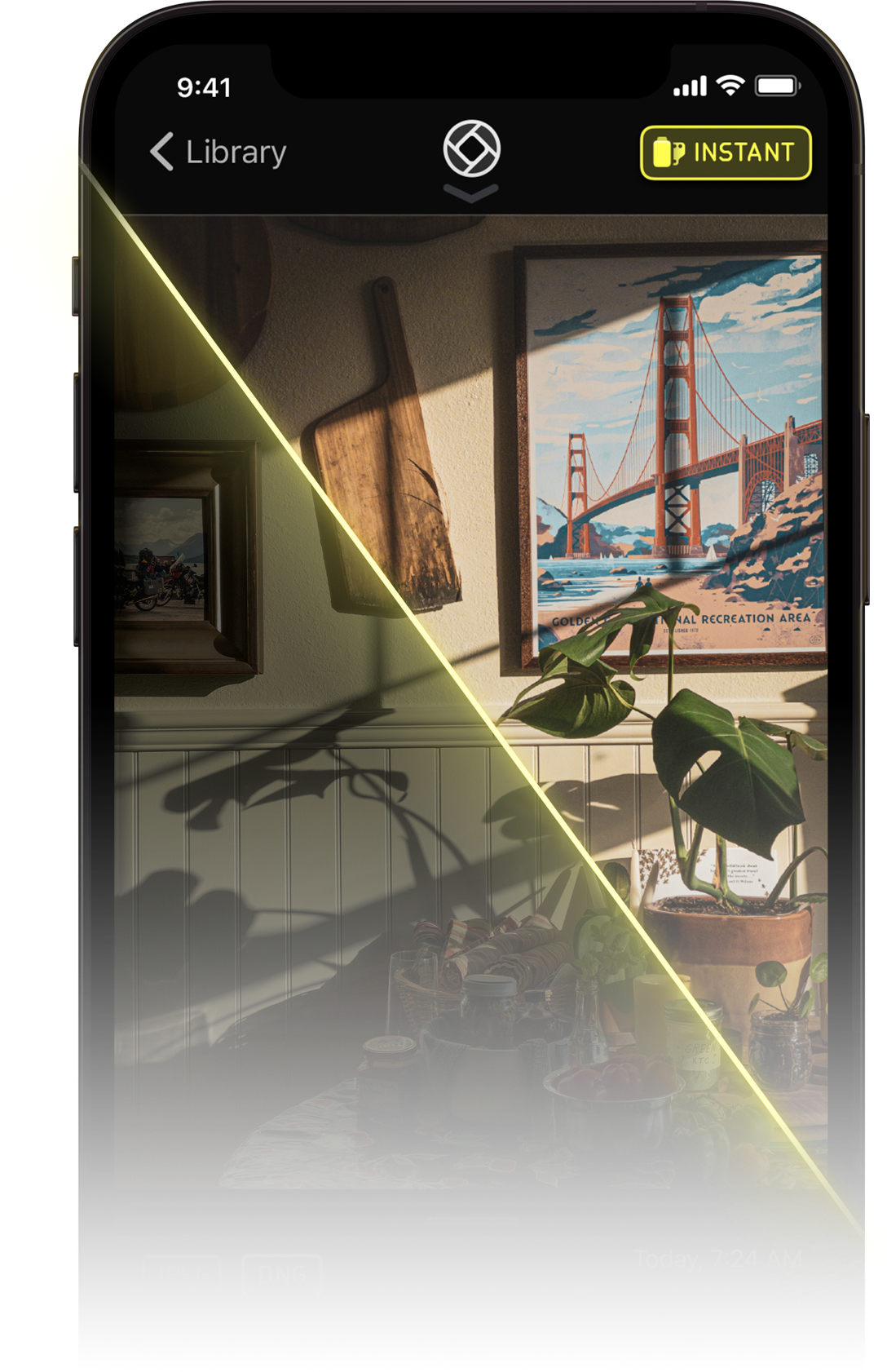
You might love your iPhone's super-smart, AI based image processing, or you might not.
That's why Halide lets you pick your processing — even between shots. Choose from iPhone's default image processing, or reduced processing, or choose Process Zero: a single-shot RAW capture mode that gives you beautiful film-like shots with minimal processing and zero AI right out of the camera.
The new Image Lab lets you re-develop the shot later for different exposures, or you can edit your photo in an image editor with huge flexibility — because Halide saves raw sensor data along with your shot.

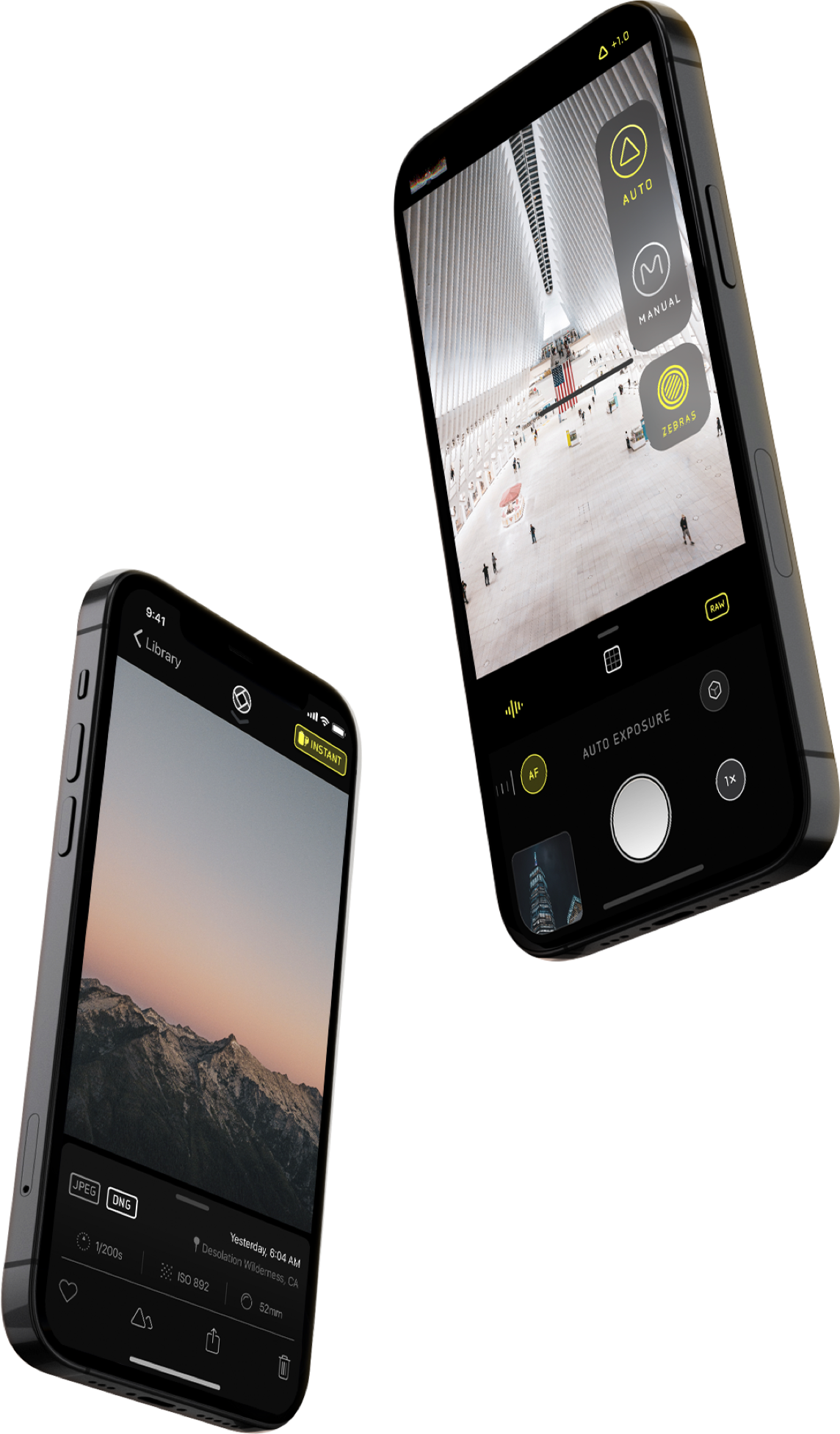
Halide was designed with our favorite object in mind: the delightfully tactile and beautiful film camera, without compromising on the flexibility and power of mobile photography.
Gestures are modeled after the intuitive manipulation of dials: swiping up and down for exposure, and left and right for focus. The interface is simple and free of clutter, letting you focus on your artistic process.
We pay homage to the design heritage of more than a century of camera design with completely custom typefaces and typography throughout based on etched type on camera bodies and lenses.
Studying past exams trains your brain to spot these patterns before they cost you points. The Anatomy of a JLPT Exam
Before you even open a textbook, take a full past exam for your target level. This serves as your baseline. Time yourself strictly under exam conditions. Don't worry about getting a low score. Your goal is to understand the test's rhythm and identify your biggest weaknesses. This initial diagnosis will reveal which sections—be it kanji, grammar, or listening—need the most attention. jlpt past exams
Using authentic past questions gives you: Studying past exams trains your brain to spot
While the JLPT does not release full tests, they offer official sample materials that serve as a crucial and reliable starting point. Time yourself strictly under exam conditions
To understand the value of past exams, one must first understand the history of the test itself. Between 1984 and 2009, the JLPT operated under an older format consisting of four levels. However, in 2010, the test underwent a significant revision to address the gap between Levels 3 and 4, resulting in the current five-level structure (N1 through N5). This revision also introduced a greater emphasis on communicative competence—testing not just rote memorization of vocabulary and grammar, but the ability to comprehend intent and context. Consequently, past exams from the "New JLPT" era (2010 onward) are distinct from their predecessors. They provide a realistic benchmark for modern learners, as they test "practical Japanese" rather than the more academic-centric focus of the pre-2010 era.
Target your weak areas using a thematic approach. Organize vocabulary by real-life scenarios (e.g., "Daily Commute," "Business Meeting") and categorize grammar by function (e.g., "Concessive," "Conditional"). Aim for 10-20 new vocabulary items and 3-5 grammar points daily, and do 30-60 minutes of listening practice daily using a mix of materials.




© The Real Palette 2026. All Rights Reserved.